
Skyroot does a SpaceX, for its founders
Plus: India's gold import duty raise threat of smuggling; Why PM Modi wants Indians to cut cooking oil consumption; Indian Railways has a ₹2.62 trillion monetisation plan.

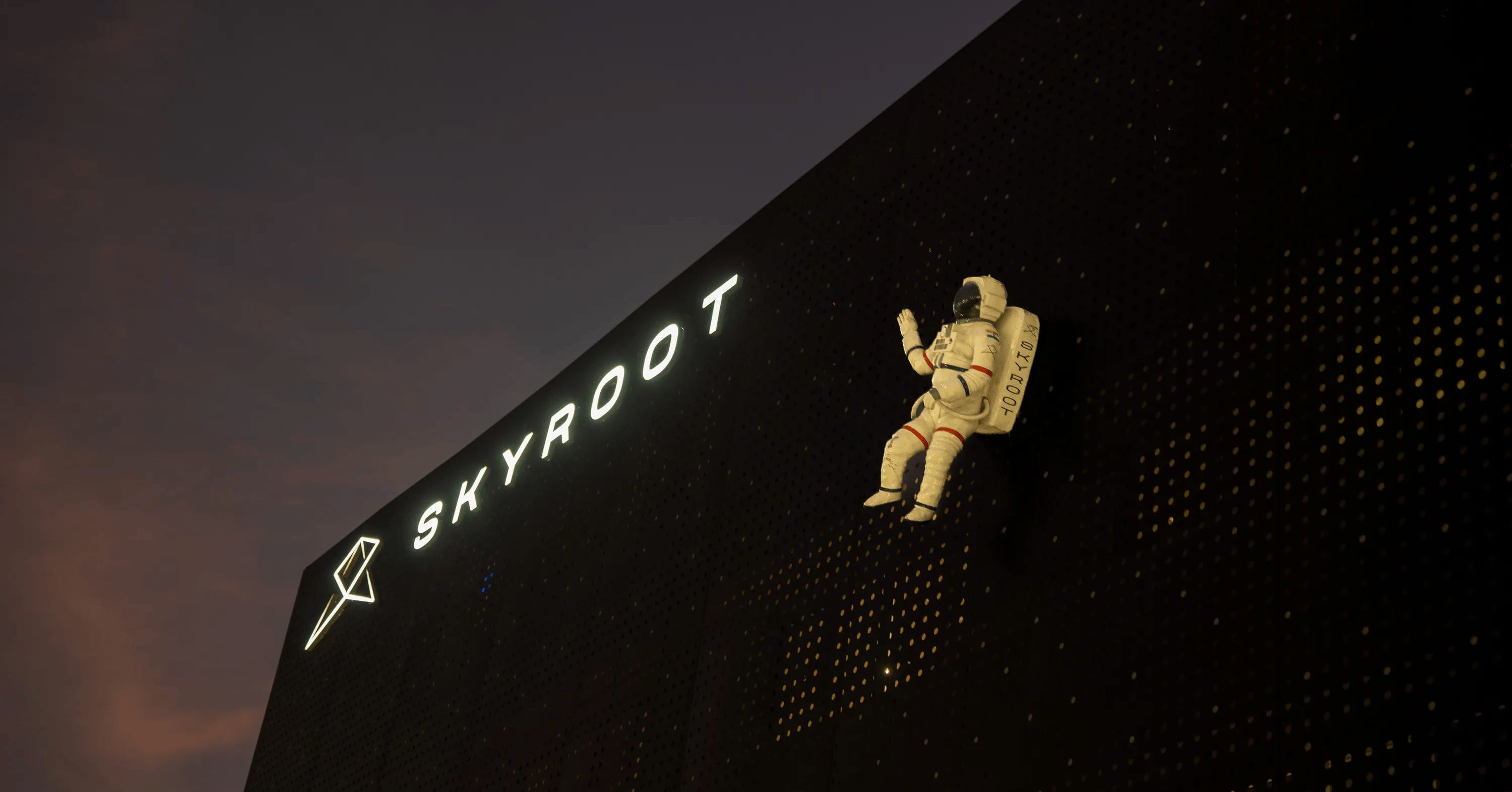
Skyroot Aerospace, is taking a page out of SpaceX’s playbook, for its founders. The Hyderabad-based company has created a founder-only ESOPs plan that could hand co-founders Pawan Chandana and Naga Bharath Daka up to 4% additional equity if they hit ambitious milestones, including launching its satellites into orbit and raising $100 million at a unicorn valuation by 2028.
The structure reflects how Skyroot wants to position itself—not just as another Indian startup but as a long-term space technology company where technical breakthroughs matter as much as revenue. Unlike typical startups, success here depends on proving rocket systems actually work.
Tying founder rewards to milestones mirrors how global players like SpaceX and Blue Origin incentivise leadership. But for investors, the message is clear: Skyroot’s future is closely tied to whether its founders can pull off India’s private space race. Read more.
MARKET WATCH
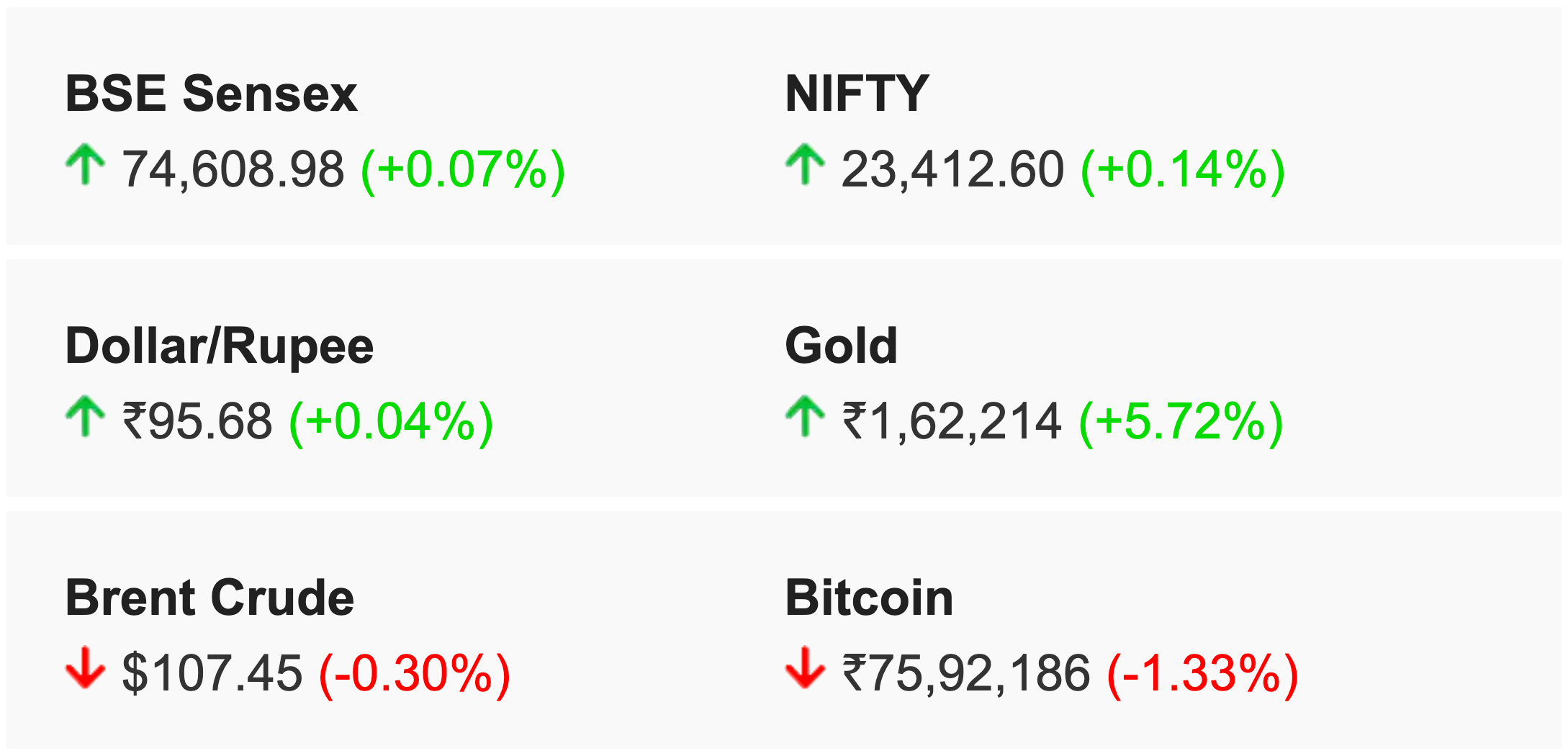
As of 8.55 pm, 13 May 2026
THE MAIN STUFF
Gold import curbs raises threat of smuggling
The government’s sharp hike in gold import duty has rattled Indian jewellers, bankers and bullion traders, who fear weaker demand, job loss and a possible return of gold smuggling.
The move comes amid rising pressure on India’s forex reserves and current account deficit as the West Asia conflict pushes up oil prices.
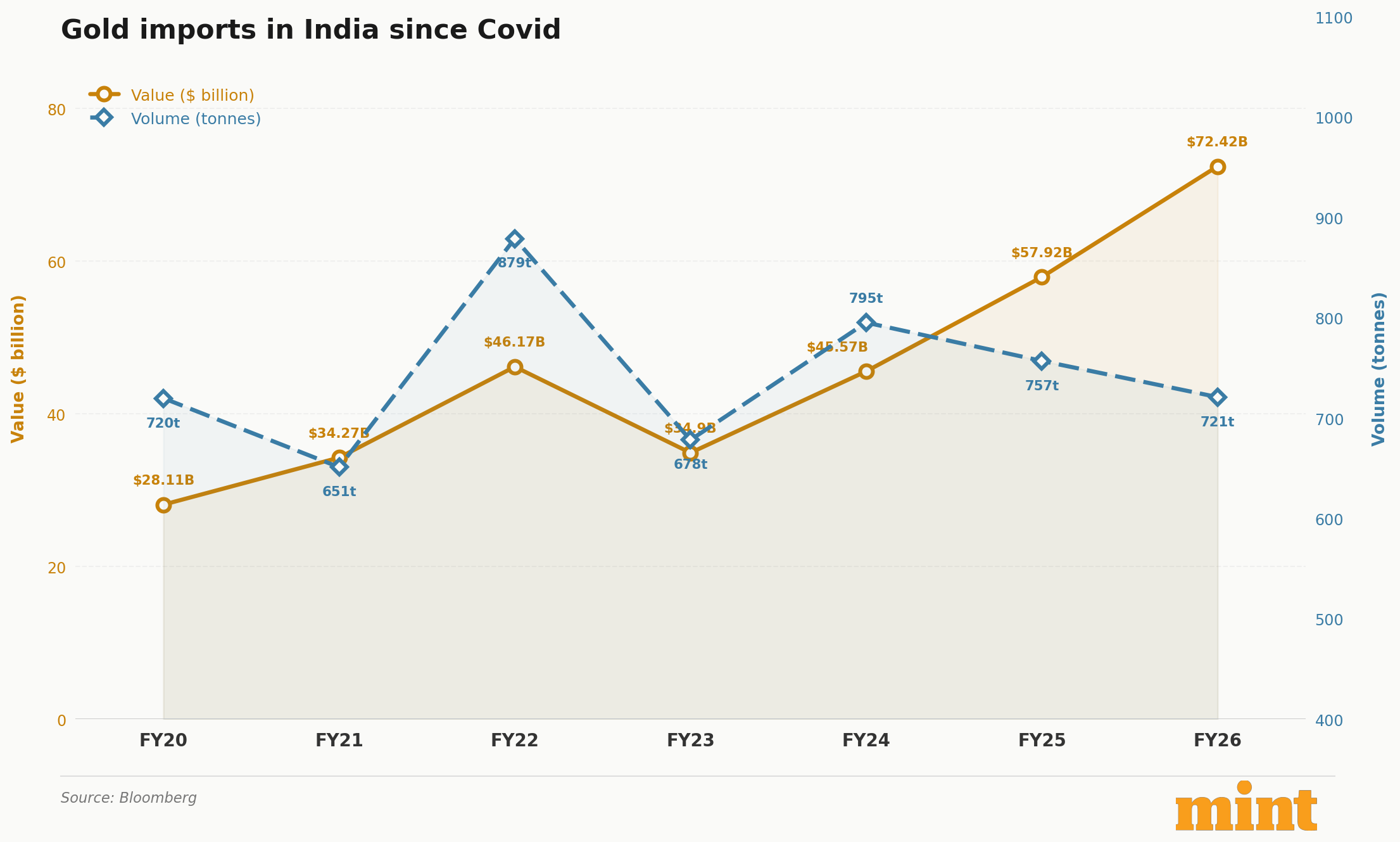
Officials say the higher duties are meant to curb “non-essential” imports and conserve dollars for critical needs like crude oil and defence equipment. But industry players warn the higher taxes could hurt jewellery exports, slow gold loan growth, and push more trade underground. India imported nearly $72 billion worth of gold in FY26 alone. Read more.
Mint Explainer | The call to cut cooking oil in kitchens
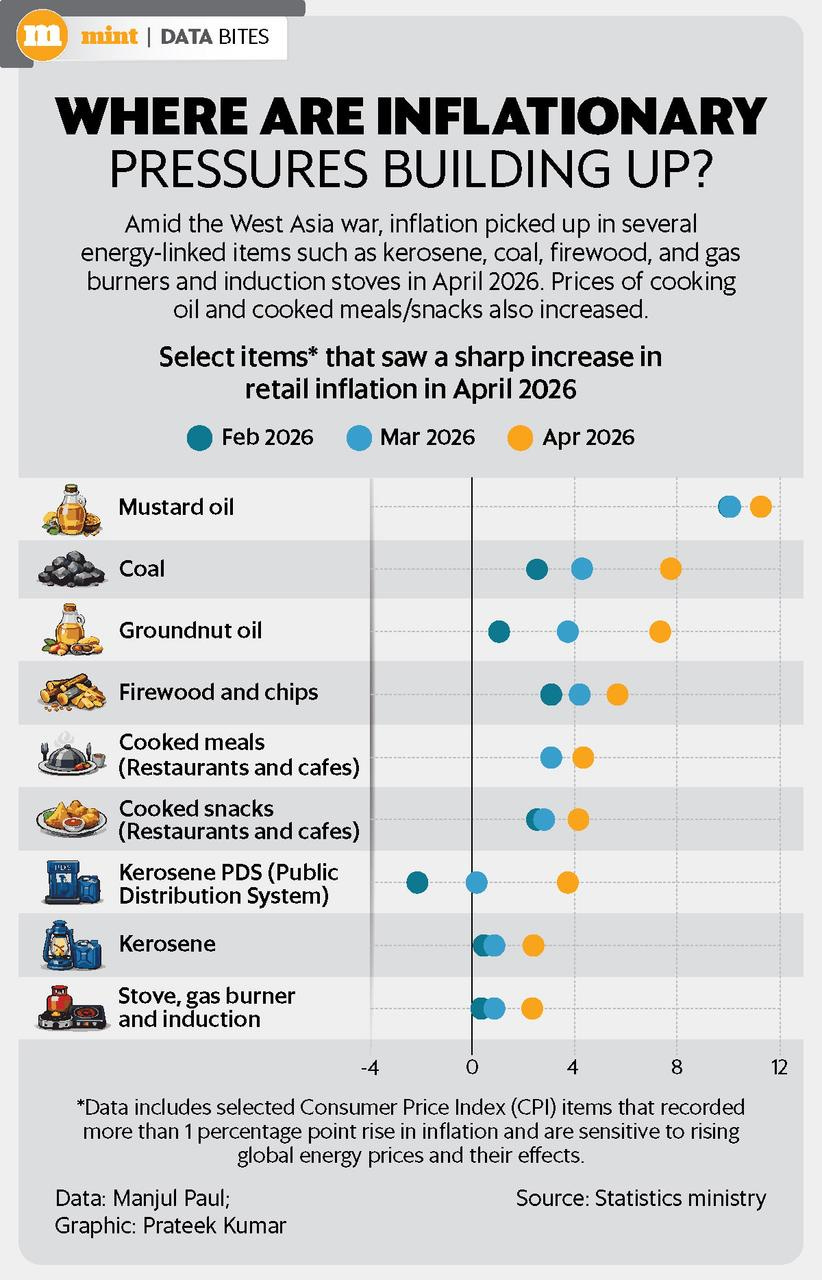
Prime Minister Narendra Modi’s appeal to cut cooking oil consumption is not just about healthier eating. It is also about protecting India’s forex reserves amid spiralling commodity prices and weakening rupee due to the conflict in West Asia.
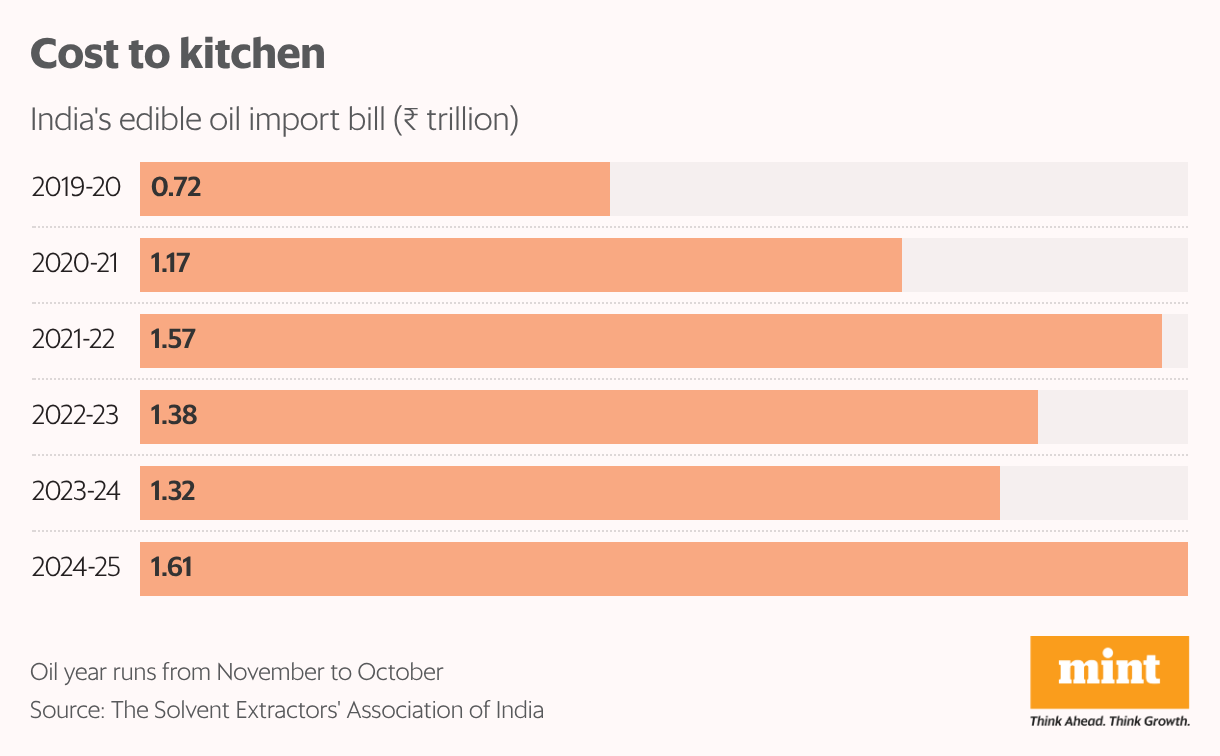
India imports nearly 60% of its edible oil needs, and the bill has ballooned to over ₹1.6 trillion in 2024-25—more than double the levels seen five years ago. Global prices of palm, soy and sunflower oils are climbing as higher crude oil prices divert supplies toward biofuels and raise shipping costs. Local prices are already rising sharply, adding to food inflation worries. Read more.
From deadlifts to dealmaking
Long before co-founding Oziva, Aarti Gill was obsessed with fitness. Years later, that passion helped build one of India’s biggest wellness startups, now fully acquired by Hindustan Unilever Ltd.
Oziva’s journey was far from an overnight success. Gill and husband Mihir Gadani spent years educating Indians about protein, nutrition and preventive health, while battling funding struggles and slow growth.
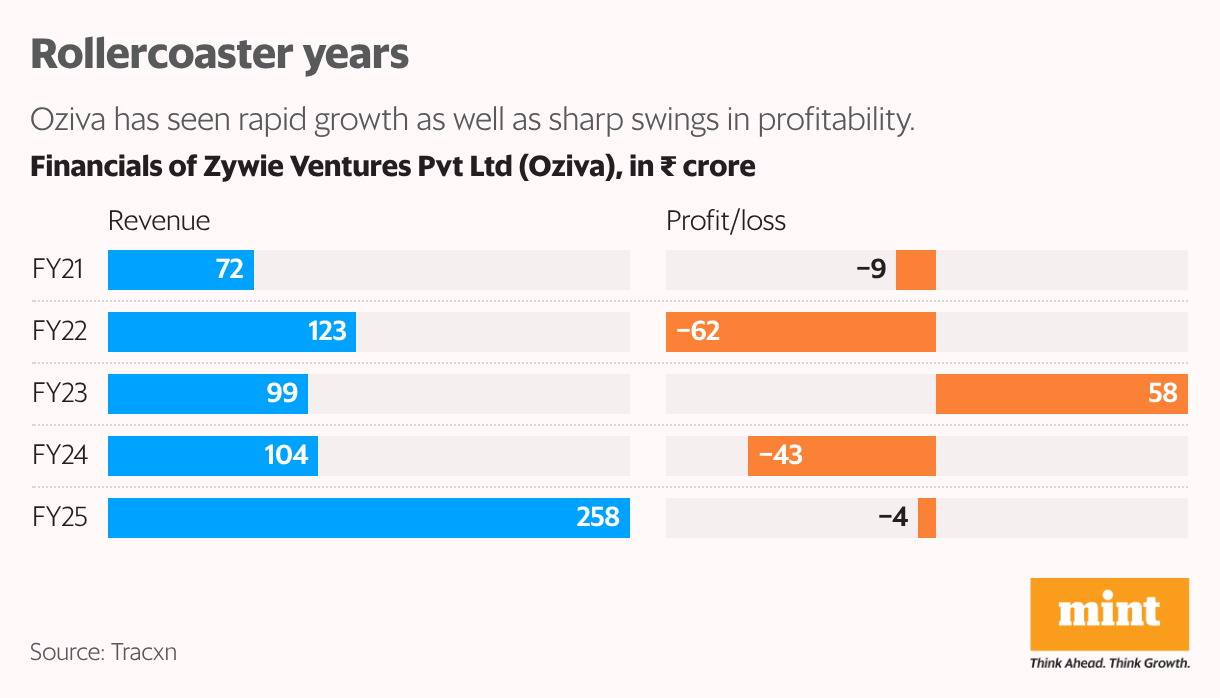
The company pivoted repeatedly, simplified its product lineup and eventually rode the post-covid wellness boom. In February, HUL completed its buyout of Oziva’s parent Zywie Ventures. Read more.
Indian Railways’ ₹2.62 tn monetisation plan
The railways ministry plans to sell 5-10% stakes in six listed railway public sector undertakings and 2-3% in Container Corp. of India as part of its ₹2.62 trillion monetisation plan under National Monetisation Pipeline 2.0.
That could raise up to ₹20,000 crore initially, while allowing the government to retain management control and majority ownership in key entities.
The stake sales come as Indian Railways ramps up spending on freight corridors, station redevelopment and Vande Bharat trains, while seeking fresh ways to fund expansion. Read more.
Airtel ARPU dips for first time in 5 years
Bharti Airtel Ltd.’s average revenue per user, or ARPU, fell sequentially for the first time in five years, indicating slowing monetisation amid lack of tariff hikes. On a yearly basis, however, ARPU rose 4.9%, aided by premium users and subscriber additions.
Consolidated net profit of India’s second largest telecom operator by subscribers fell 33.5% from the year-ago period to ₹7,325 crore in Q4 FY26, on revenue that increased 15% to ₹55,383 crore.
Separately, the company has approved a nearly ₹28,200-crore share-swap transaction to increase its stake in Airtel Africa Plc. Read more.
🔢 NEWS IN NUMBERS
$220 million
The portion of the White House’s $1 billion East Wing renovation plan earmarked for security “hardening”, including bulletproof glass, drone detection, and chemical threat filtration systems.
50%
The reduction in Prime Minister Narendra Modi’s convoy size, ordered by him as part of austerity and fuel-saving measures amid the US-Iran war, with greater use of electric vehicles.
100
The number of flights Air India plans to cut between June and August, as the West Asia conflict drives up fuel costs and weakens demand on international routes.
₹490
The user development fee set by Airports Economic Regulatory Authority of India for domestic passengers at Noida International Airport for FY27. For international passengers, it is ₹980.
₹772 crore
The consolidated net profit reported by TVS Motor Co. Ltd. in Q4 FY26, up 19% YoY from ₹648 crore, on revenue that surged 30% to ₹15,053 crore in the same period.
₹554.64 crore
The consolidated net profit reported by Cipla Ltd. in Q4 FY26, down 54.6% YoY from ₹1,221.84 crore, impacted by an impairment cost alongside a marginal fall in revenue.
₹144.5 crore
The amount SpiceJet Ltd. has to deposit with Delhi High Court in its dispute with Kalanithi Maran and KAL Airways, a move that the airline has now challenged in the Supreme Court.
howindialives.com
AROUND THE WORLD
The world’s most surprising capitalist makeover is under way in Sweden
Potato-chip bags are going black and white because of the Iran war
CHART OF THE DAY
LOUNGE RECOMMENDS
Theatre in the OTT era
In the age of social media and over-the-top content, the act of watching live theatre offers a connection to real life. Theatre allows us an opportunity for genuine human interaction. Bengaluru-based theatre director Shatarupa Bhattacharyya insists theatre isn’t in direct competition with OTT but with shrinking attention spans. Read more.
WHAT THE FACT
The last of the ‘witch hunt’
Long after the infamous Salem Witch trials, the United States saw one final courtroom battle over witchcraft.
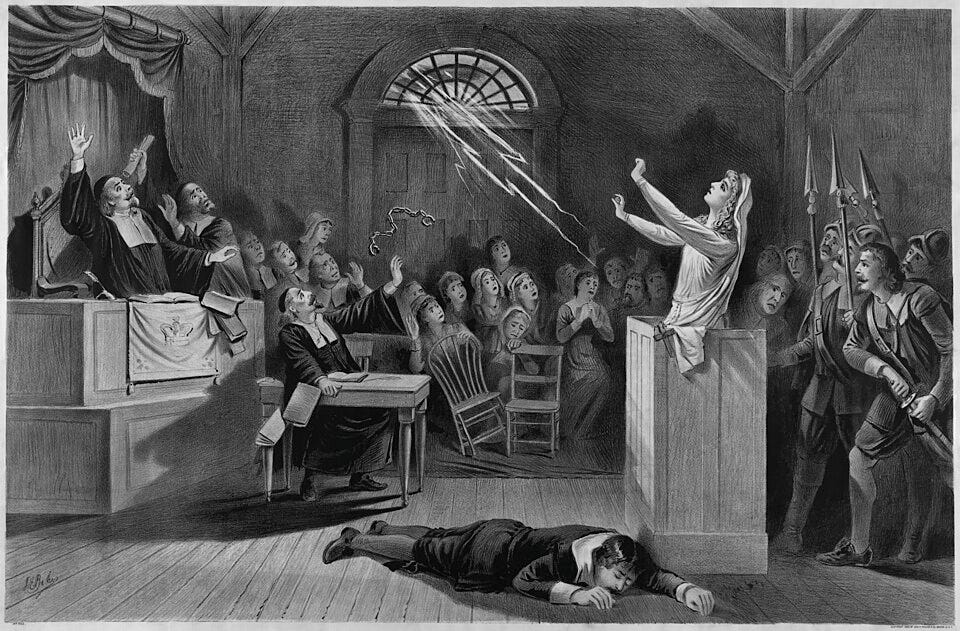
On this day in 1878, Tennessee farmer Joseph Stout accused one Lucretia Brown of using witchcraft to make him ill and demanded legal action. The case, heard in rural Tennessee, is widely regarded as the last witchcraft trial in US history. The court ultimately dismissed the claims, but the episode showed how folk beliefs and superstition still lingered in parts of America nearly two centuries after Salem.