
Cheaper—or just less expensive?
India continues to trade at lofty premium compared with most emerging markets.

Good morning!
A market correction often sparks the same question on Dalal Street: Are stocks finally cheap? The recent sell-off, triggered by an escalating Iran war in West Asia, surging crude prices and persistent foreign outflows, has cooled some of the market’s froth. But a closer look suggests valuations are only moderating, not exactly bargains yet.
A Mint analysis of more than 3,400 BSE-listed companies shows that the share of stocks trading above 80X earnings has fallen from about 14.6% at the market peak to around 11% now. More companies have slipped into lower valuation brackets, offering some relief to investors.
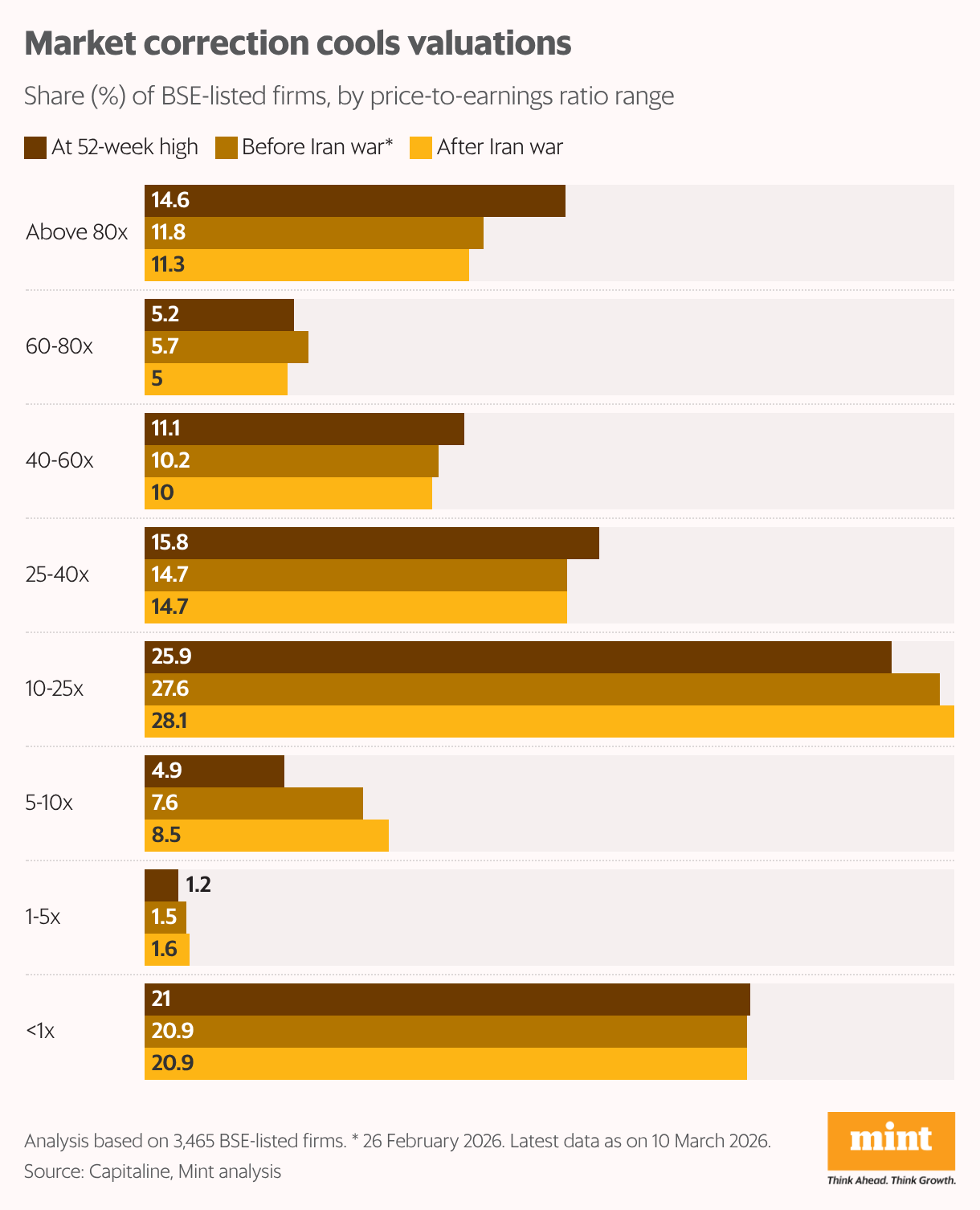
Large caps appear relatively comfortable, with the BSE LargeCap index trading at about 22.7X earnings, slightly below its five-year average. Small caps have also seen a sharper reset. But midcaps remain expensive, with valuations still hovering near 29X.
So what does this mean for investors? The correction has made India more investable—but not necessarily cheap. The country continues to trade at lofty premium compared with most emerging markets. Read the full story by Mayur Bhalerao.
In today’s edition of Top of the Morning:
War clouds India’s IPO market
The new luxury divide in India
The long shadow of Hormuz
PREVIOUSLY, ON MINT PM


MARKET WATCH
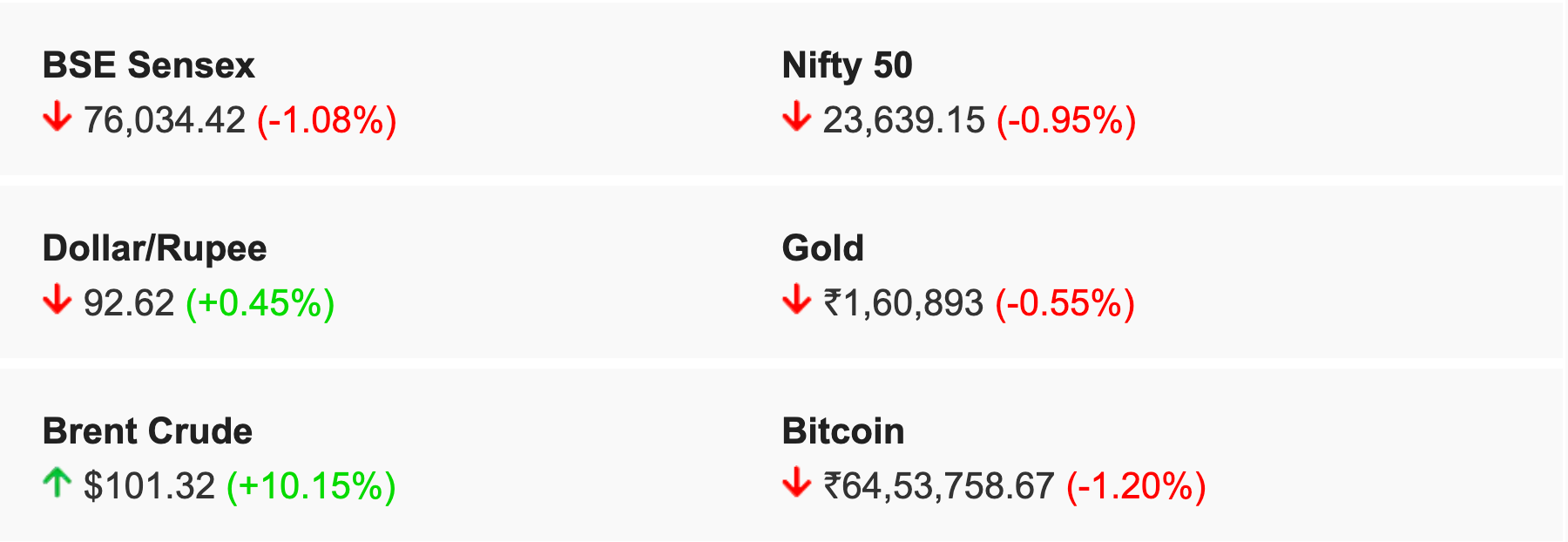
*As of 8:45 pm, 12 March 2026
THE MAIN STUFF
Press Note 3 gets a tweak
Remember the tough FDI rule India introduced during the pandemic to keep opportunistic takeovers at bay? That was Press Note 3, which required the government’s approval for investments from countries sharing India’s land borders, mainly aimed at China.
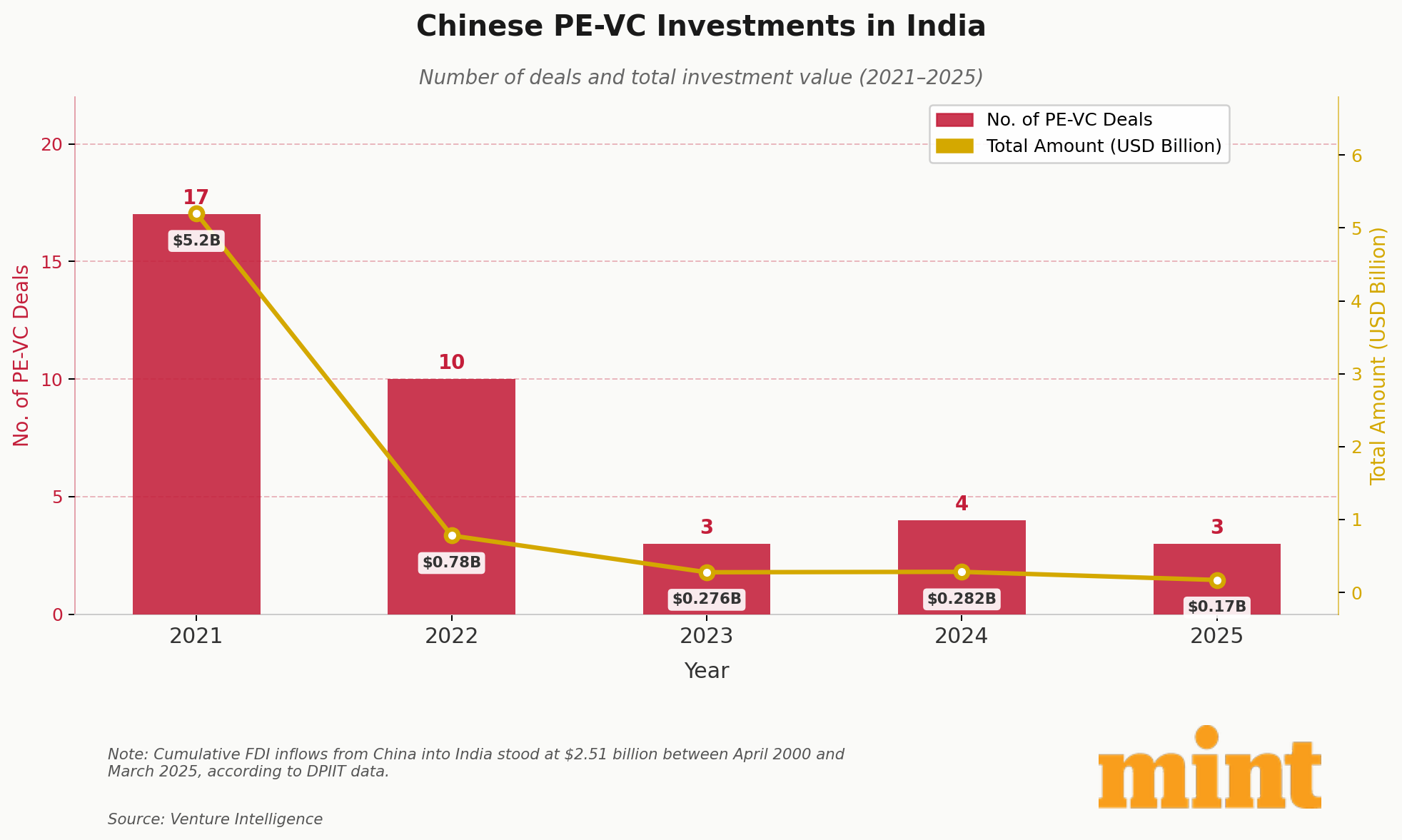
Now, the government has slightly loosened the screws. Investments with less than 10% ownership from land-border countries can enter through the automatic route, provided investors don’t seek management control or board seats. Will this reopen the door to global capital with Chinese links, or remain a cautious half-step? Read on.
[Sponsored] Growth of private-credit in India
The private credit market in India is still at a nascent stage, representing about 0.6% of India’s GDP. However, this does not diminish its role in India’s financing and investment landscape.
Many players are entering the private credit space due to the rising demand for this asset class in India's fast-growing economy, driven by a financing gap for mid-sized companies that are underserved by traditional banks and capital markets. Read more.
IPO boom hits a pause
India’s red-hot IPO market may be catching its breath. With tensions in West Asia rattling global markets and crude prices rising, several companies are choosing to delay their listings and wait for calmer conditions. Benchmark indices have already slipped about 4% since the conflict began, while trading volumes have cooled and investor appetite has weakened.
Even IPO returns reflect the mood, average listing gains in 2026 are barely 0.3%, far below the blockbuster debut premiums seen during the 2024 boom.
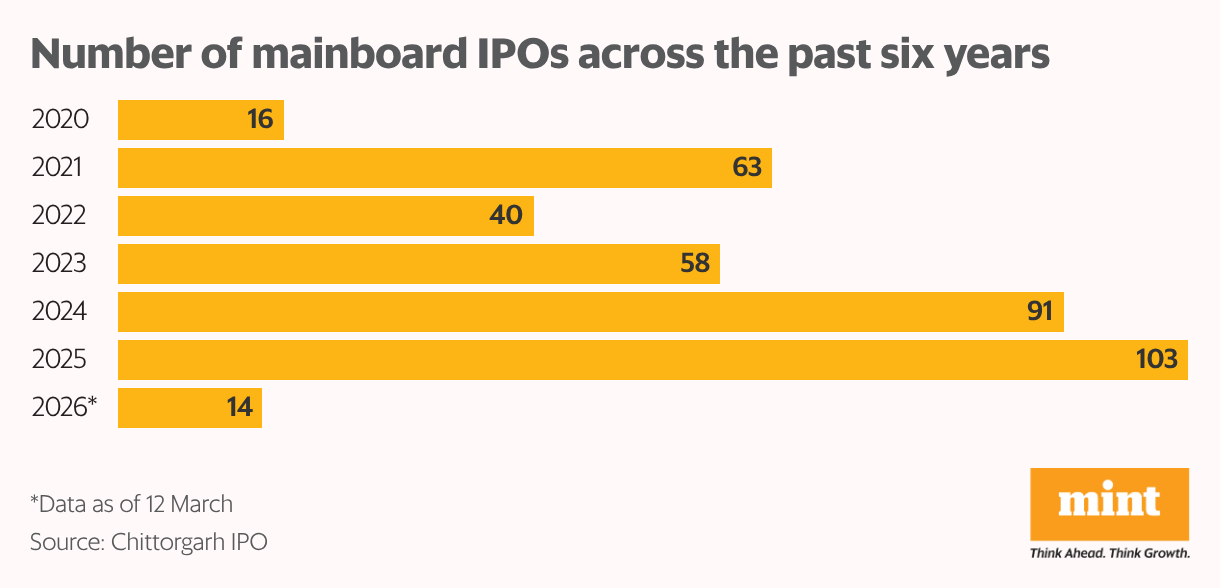
Is the IPO frenzy over? Not quite. Dealmakers say the pipeline remains strong, but companies may need more realistic valuations and stronger fundamentals to win investor confidence. Read more.
NSE IPO gears up
After years of delay, the National Stock Exchange’s long-awaited IPO is finally gathering momentum. The exchange has appointed 20 merchant bankers, including global giants and leading domestic firms, to manage what could become one of India’s biggest listings.
The potential offer, estimated at $1.5-2.5 billion, may involve selling about 4–4.5% stake. Lead bankers will soon be chosen to steer pricing, marketing and investor outreach. Read on.
Luxury’s two-speed story
A stroll through India’s luxury malls once meant packed boutiques and endless queues. But the mood is shifting. While ultra-luxury brands continue to thrive, aspirational labels such as Gucci and Louis Vuitton are seeing demand soften as cautious consumers cut back.
Rising prices, a weaker rupee and economic uncertainty are nudging luxury shoppers to rethink big-ticket indulgences, or even shopping abroad. While India’s wealthiest buyers are leaning toward heritage, craftsmanship and “timeless” luxury.
India’s luxury boom is not really fading, but simply splitting into two different worlds of aspirational luxury slowing down and ultra-luxury still racing ahead.
The Hormuz effect
Just weeks after celebrating a trade breakthrough with the US, India Inc. faces a fresh storm, this time from West Asia.
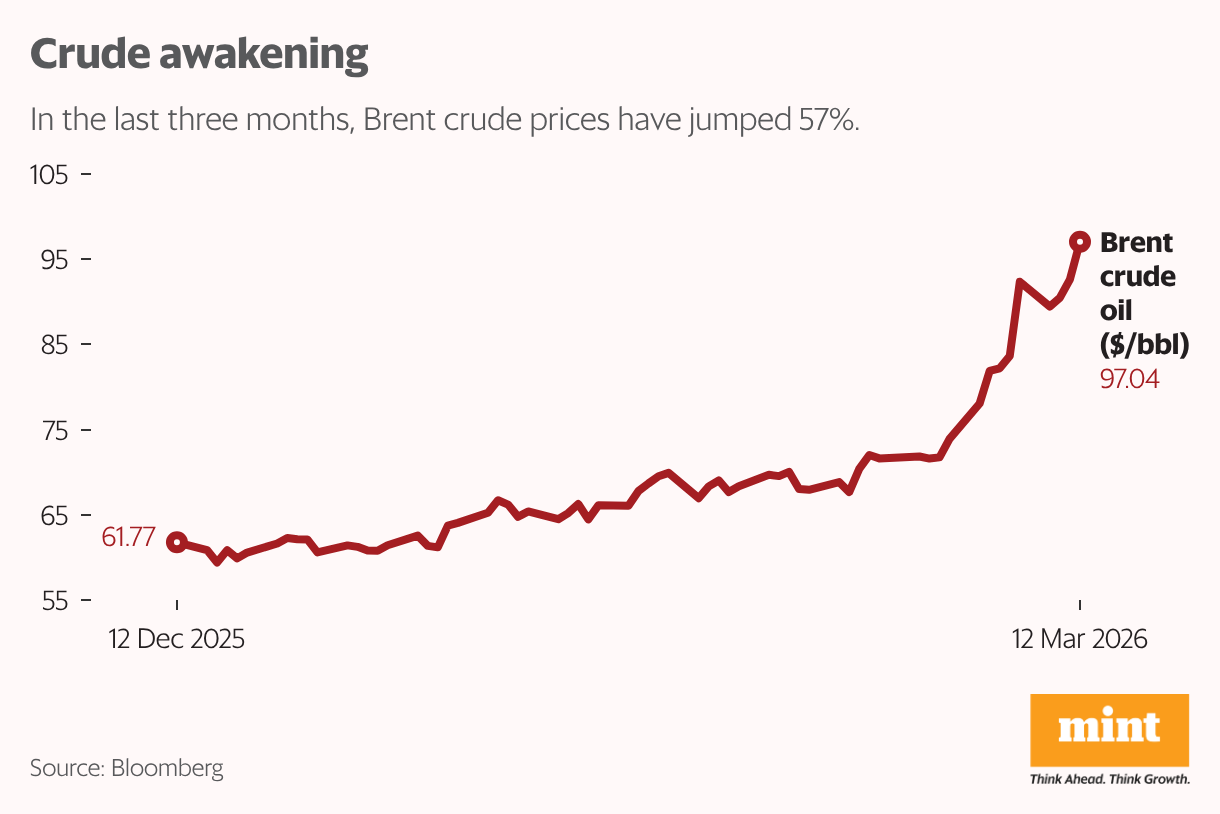
Iran’s closure of the Strait of Hormuz, a critical route carrying nearly 15% of global oil and 20% of gas, has sent energy markets into turmoil. Oil prices are climbing, supply chains are rattling, and industries—from fertilizers to textiles—are already feeling the strain. Even if the conflict ends soon, restarting production and logistics could take weeks.
How long will the blockade last? If it drags on, the shock could ripple through inflation, trade and growth, not just in India, but across the global economy. Read on.
NEWS IN NUMBERS
𝟣,𝟨𝟢𝟢: 𝖳𝗁𝖾 𝗇𝗎𝗆𝖻𝖾𝗋 𝗈𝖿 𝖾𝗆𝗉𝗅𝗈𝗒𝖾𝖾𝗌 𝖠𝗍𝗅𝖺𝗌𝗌𝗂𝖺𝗇 𝗉𝗅𝖺𝗇𝗌 𝗍𝗈 𝗅𝖺𝗒 𝗈𝖿𝖿, 𝖺𝖻𝗈𝗎𝗍 𝟣𝟢% 𝗈𝖿 𝗂𝗍𝗌 𝗀𝗅𝗈𝖻𝖺𝗅 𝗐𝗈𝗋𝗄𝖿𝗈𝗋𝖼𝖾, 𝗍𝗈 𝗌𝖾𝗅𝖿‑𝖿𝗎𝗇𝖽 𝖠𝖨 𝖺𝗇𝖽 𝖾𝗇𝗍𝖾𝗋𝗉𝗋𝗂𝗌𝖾 𝗌𝖺𝗅𝖾𝗌 𝗂𝗇𝗏𝖾𝗌𝗍𝗆𝖾𝗇𝗍𝗌 𝖺𝗇𝖽 𝗌𝗍𝗋𝖾𝗇𝗀𝗍𝗁𝖾𝗇 𝖿𝗂𝗇𝖺𝗇𝖼𝗂𝖺𝗅 𝗉𝗋𝗈𝖿𝗂𝗅𝖾.
£𝟤𝟣𝟢,𝟢𝟢𝟢: 𝖳𝗁𝖾 𝖺𝗇𝗇𝗎𝖺𝗅 𝖼𝗈𝗇𝗍𝗋𝖺𝖼𝗍 𝖺𝗆𝗈𝗎𝗇𝗍 𝗌𝖾𝖼𝗎𝗋𝖾𝖽 𝖻𝗒 𝖲𝗈𝗉𝗁𝗂𝖾 𝖣𝖾𝗏𝗂𝗇𝖾 𝖺𝗇𝖽 𝖡𝖾𝗍𝗁 𝖬𝗈𝗈𝗇𝖾𝗒 𝗂𝗇 𝗍𝗁𝖾 𝗂𝗇𝖺𝗎𝗀𝗎𝗋𝖺𝗅 𝖧𝗎𝗇𝖽𝗋𝖾𝖽 W𝗈𝗆𝖾𝗇’𝗌 𝖼𝗈𝗆𝗉𝖾𝗍𝗂𝗍𝗂𝗈𝗇 𝖺𝗎𝖼𝗍𝗂𝗈𝗇 𝖿𝗈𝗋 𝗍𝗁𝖾 𝟤𝟢𝟤𝟨 𝗌𝖾𝖺𝗌𝗈𝗇.
₹𝟦𝟣𝟣 𝖼𝗋𝗈𝗋𝖾: 𝖳𝗁𝖾 𝗏𝖺𝗅𝗎𝖾 𝗈𝖿 𝗉𝗋𝗈𝗃𝖾𝖼𝗍𝗌 𝗐𝗈𝗇 𝖻𝗒 𝖤𝗇𝗏𝗂𝗋𝗈 𝖨𝗇𝖿𝗋𝖺 𝖤𝗇𝗀𝗂𝗇𝖾𝖾𝗋𝗌 𝖿𝗋𝗈𝗆 𝖡𝗂𝗁𝖺𝗋 𝖴𝗋𝖻𝖺𝗇 𝖨𝗇𝖿𝗋𝖺𝗌𝗍𝗋𝗎𝖼𝗍𝗎𝗋𝖾 𝖣𝖾𝗏𝖾𝗅𝗈𝗉𝗆𝖾𝗇𝗍 𝖢𝗈𝗋𝗉𝗈𝗋𝖺𝗍𝗂𝗈𝗇 𝖫𝗍𝖽. 𝗎𝗇𝖽𝖾𝗋 𝖠𝖬𝖱𝖴𝖳 𝟤.𝟢.
$𝟣𝟣.𝟥 b𝗂𝗅𝗅𝗂𝗈𝗇: 𝖳𝗁𝖾 𝗋𝖾𝗉𝗈𝗋𝗍𝖾𝖽 𝖼𝗈𝗌𝗍 𝗈𝖿 𝗍𝗁𝖾 𝖿𝗂𝗋𝗌𝗍 𝗌𝗂𝗑 𝖽𝖺𝗒𝗌 𝗈𝖿 𝗍𝗁𝖾 𝗐𝖺𝗋 𝖺𝗀𝖺𝗂𝗇𝗌𝗍 𝖨𝗋𝖺𝗇, 𝗇𝗈𝗍 𝗂𝗇𝖼𝗅𝗎𝖽𝗂𝗇𝗀 𝖾𝗑𝗍𝗋𝖺 𝖾𝗑𝗉𝖾𝗇𝗌𝖾𝗌 𝖿𝗈𝗋 𝗉𝗋𝗂𝗈𝗋 𝗍𝗋𝗈𝗈𝗉 𝖺𝗇𝖽 𝖾𝗊𝗎𝗂𝗉𝗆𝖾𝗇𝗍 𝖽𝖾𝗉𝗅𝗈𝗒𝗆𝖾𝗇𝗍𝗌.
𝟪𝟪: 𝖳𝗁𝖾 𝗇𝗎𝗆𝖻𝖾𝗋 𝗈𝖿 𝗋𝖾𝖼𝖾𝗇𝗍𝗅𝗒 𝗅𝗂𝗌𝗍𝖾𝖽 𝖼𝗈𝗆𝗉𝖺𝗇𝗂𝖾𝗌 𝗐𝗁𝗈𝗌𝖾 𝗉𝗋𝖾‑𝗅𝗂𝗌𝗍𝗂𝗇𝗀 𝗂𝗇𝗏𝖾𝗌𝗍𝗈𝗋 𝗅𝗈𝖼𝗄‑𝗂𝗇 𝗉𝖾𝗋𝗂𝗈𝖽𝗌 𝖾𝗇𝖽 𝖻𝖾𝗍𝗐𝖾𝖾𝗇 𝟣𝟣 𝖬𝖺𝗋𝖼𝗁 𝖺𝗇𝖽 𝟤𝟫 𝖩𝗎𝗇𝖾 𝟤𝟢𝟤𝟨, 𝗉𝗈𝗍𝖾𝗇𝗍𝗂𝖺𝗅𝗅𝗒 𝖿𝗋𝖾𝖾𝗂𝗇𝗀 𝗌𝗁𝖺𝗋𝖾𝗌 𝗐𝗈𝗋𝗍𝗁 𝗇𝖾𝖺𝗋𝗅𝗒 $𝟩𝟤 𝖻𝗂𝗅𝗅𝗂𝗈𝗇.
𝟣𝟨: 𝖳𝗁𝖾 𝗇𝗎𝗆𝖻𝖾𝗋 𝗈𝖿 𝗆𝖺𝗃𝗈𝗋 𝗍𝗋𝖺𝖽𝗂𝗇𝗀 𝗉𝖺𝗋𝗍𝗇𝖾𝗋𝗌, 𝗂𝗇𝖼𝗅𝗎𝖽𝗂𝗇𝗀 𝖨𝗇𝖽𝗂𝖺, 𝗍𝖺𝗋𝗀𝖾𝗍𝖾𝖽 𝗂𝗇 𝗍𝗁𝖾 𝖳𝗋𝗎𝗆𝗉 𝖺𝖽𝗆𝗂𝗇𝗂𝗌𝗍𝗋𝖺𝗍𝗂𝗈𝗇’𝗌 𝗇𝖾𝗐 𝖲𝖾𝖼𝗍𝗂𝗈𝗇 𝟥𝟢𝟣 𝗂𝗇𝗏𝖾𝗌𝗍𝗂𝗀𝖺𝗍𝗂𝗈𝗇 𝗂𝗇𝗍𝗈 𝖾𝗑𝖼𝖾𝗌𝗌 𝗂𝗇𝖽𝗎𝗌𝗍𝗋𝗂𝖺𝗅 𝖼𝖺𝗉𝖺𝖼𝗂𝗍𝗒 𝖺𝗇𝖽 𝗉𝗈𝗍𝖾𝗇𝗍𝗂𝖺𝗅 𝗎𝗇𝖿𝖺𝗂𝗋 𝗍𝗋𝖺𝖽𝖾 𝗉𝗋𝖺𝖼𝗍𝗂𝖼𝖾𝗌.
𝟧𝟢 𝖳𝖡: 𝖳𝗁𝖾 𝗌𝗂𝗓𝖾 𝗈𝖿 𝗌𝖾𝗇𝗌𝗂𝗍𝗂𝗏𝖾 𝖽𝖺𝗍𝖺 𝖨𝗋𝖺𝗇-𝗅𝗂𝗇𝗄𝖾𝖽 𝖧𝖺𝗇𝖽𝖺𝗅𝖺 𝖼𝗅𝖺𝗂𝗆𝗌 𝗍𝗈 𝗁𝖺𝗏𝖾 𝗌𝗍𝗈𝗅𝖾𝗇 𝖿𝗋𝗈𝗆 𝖬𝗂𝖼𝗁𝗂𝗀𝖺𝗇‑𝖻𝖺𝗌𝖾𝖽 𝗆𝖾𝖽𝗂𝖼𝖺𝗅 𝖽𝖾𝗏𝗂𝖼𝖾 𝗆𝖺𝗄𝖾𝗋 𝖲𝗍𝗋𝗒𝗄𝖾𝗋 𝗂𝗇 𝖺 𝖼𝗒𝖻𝖾𝗋𝖺𝗍𝗍𝖺𝖼𝗄 𝗂𝗍 𝗌𝖺𝗒𝗌 𝗂𝗌 𝗋𝖾𝗍𝖺𝗅𝗂𝖺𝗍𝗂𝗈𝗇 𝖿𝗈𝗋 𝖺 𝗌𝖼𝗁𝗈𝗈𝗅 𝗌𝗍𝗋𝗂𝗄𝖾 𝗂𝗇 𝖬𝗂𝗇𝖺𝖻, 𝖨𝗋𝖺𝗇.

AROUND THE WORLD
Central banks could tilt hawkish as Iran war fuels inflation risk
The AI trade that’s separating Wall Street’s winners and losers
CHART OF THE DAY
LOUNGE RECOMMENDS
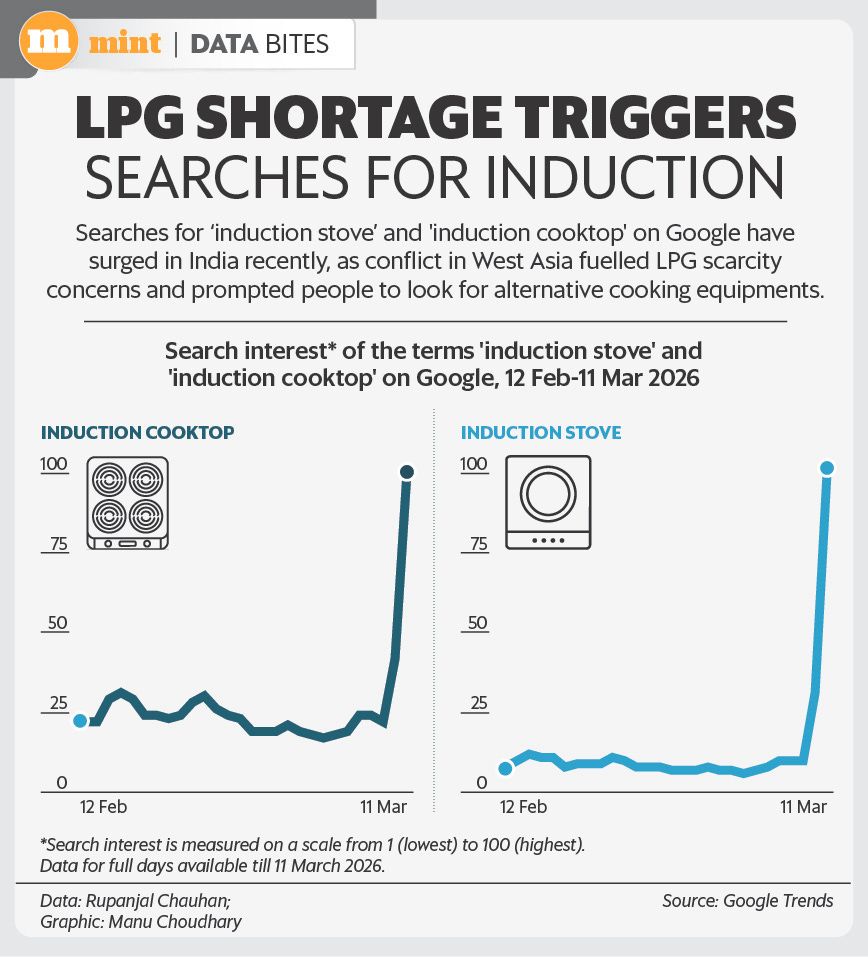
5 summer recipes that don’t need you to switch on the gas

No cooking gas, no problem. You know there is so much that you can cook without it. Strange times, but well, here we are.
But, it’s summer already, which means it’s the best time to whip up salads, cold raitas and raw chutneys, and if you have extra patience, some frozen dessert as well. Read more.
WHAT THE FACT
The start of ‘black lives matter’
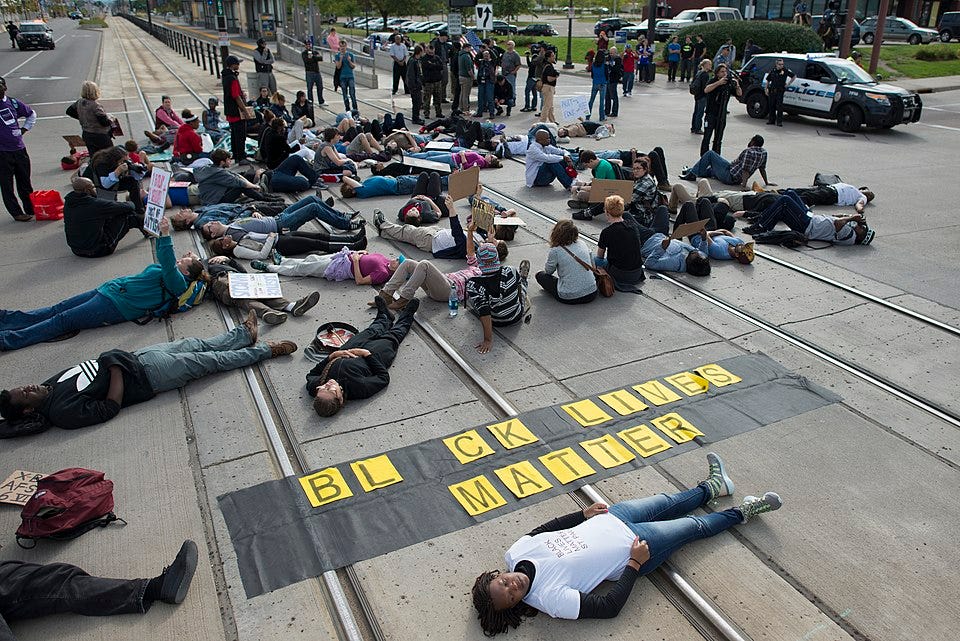
On this day in 2020, Breonna Taylor, a 26-year-old emergency medical technician, was fatally shot when Louisville Metro Police Department officers forced entry into her apartment during a botched late-night raid in Louisville. Her death ignited widespread protests across the US and beyond, becoming a rallying point for the Black Lives Matter movement and intensifying calls for police accountability and reform.